Content
The garment manufacturing industry has always relied on a combination of skilled labor, advanced machinery, and efficient production processes to meet the growing demand for clothing. One critical aspect of garment production that directly affects efficiency, quality, and overall output is the drying process. Industrial drying machines have emerged as essential equipment in textile factories, providing consistent, reliable, and high-speed drying for various types of fabrics and garments.
By streamlining the drying process, these machines help manufacturers maintain production schedules, reduce energy consumption, and ensure uniform fabric quality.
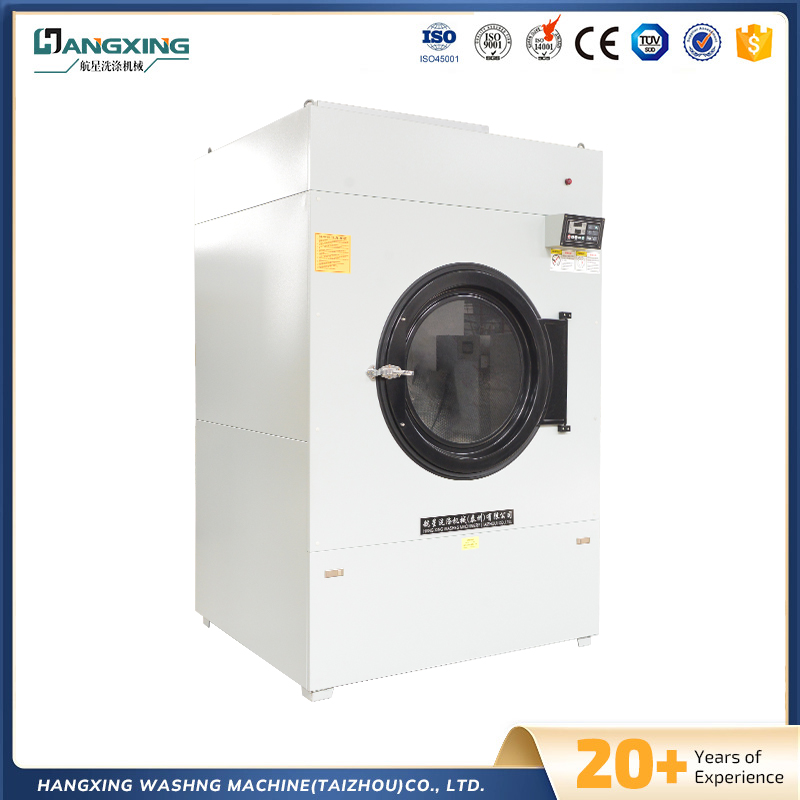
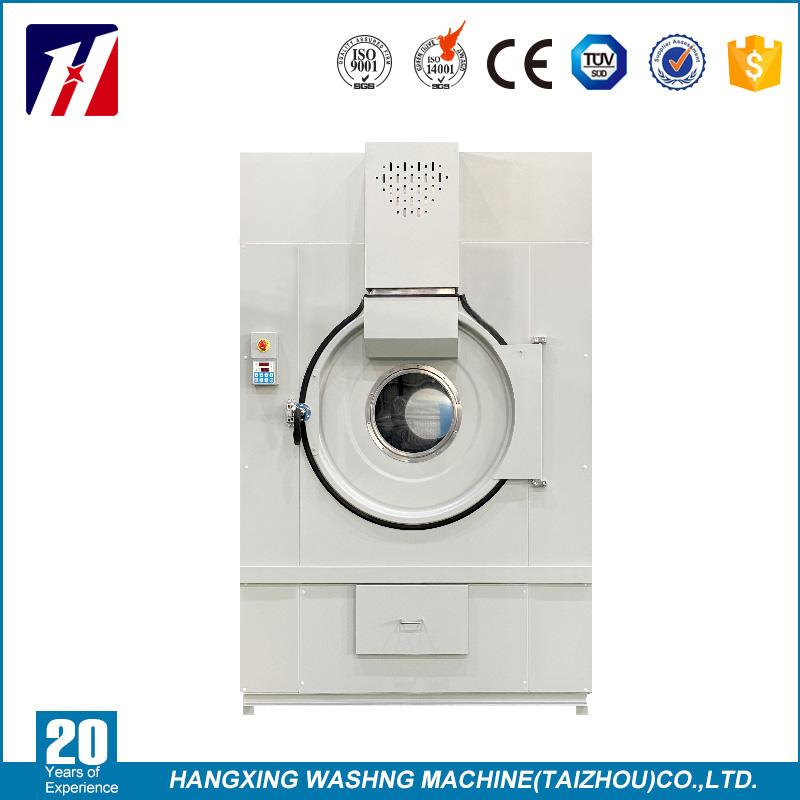
Industrial drying machines, also referred to as commercial textile dryers, are specialized equipment designed to remove moisture from garments, fabrics, and other textile materials after washing, dyeing, or finishing processes. Unlike domestic dryers, industrial machines are built to handle large volumes of textiles, operate continuously, and maintain precise temperature and airflow conditions suitable for different fabric types.
These machines typically use hot air circulation, infrared heating, or steam systems to dry textiles efficiently. Some advanced models integrate humidity sensors and programmable controls, allowing operators to set drying cycles based on the fabric type, moisture content, and production requirements. The result is a controlled drying process that minimizes fabric shrinkage, color fading, and deformation.
Industrial drying machines offer several benefits that directly improve efficiency in garment manufacturing:
Industrial drying machines play a vital role in various stages of garment production:
After garments are washed or treated, removing moisture efficiently is essential to prevent mold growth, color bleeding, or fabric deformation. Industrial dryers quickly and uniformly dry clothing, enabling faster transition to the next production stage, such as pressing, folding, or packaging.
In textile finishing, garments are often dyed, coated, or treated with special chemicals. Proper drying ensures that dyes set evenly, finishes adhere correctly, and garments retain their intended texture and appearance. Industrial dryers provide precise temperature and humidity control, making them ideal for these critical stages.
Many garment manufacturers operate in-house laundry facilities for uniforms, workwear, or sample products. Industrial dryers allow these operations to handle high volumes efficiently, reducing turnaround time and ensuring garments are ready for production or distribution.
Delicate fabrics, such as silk, wool, or fine synthetics, require careful drying to avoid damage. Industrial dryers with adjustable airflow and temperature controls provide gentle yet effective drying, preserving the integrity and appearance of sensitive materials.
In fully automated garment manufacturing lines, continuous and predictable drying is crucial for maintaining workflow. Industrial drying machines integrate seamlessly with other machinery, such as automated folding systems, conveyors, and packaging lines, ensuring smooth and uninterrupted production.
Modern industrial drying machines incorporate several technological advancements to improve efficiency and reliability:
These features collectively improve manufacturing efficiency, reduce waste, and support consistent product quality.
The global market for industrial drying machines in the clothing sector has been influenced by several trends:
To ensure optimal performance, industrial drying machines require proper maintenance and operational practices:
Routine maintenance and careful operation extend machine life, reduce energy costs, and maintain consistent garment quality.
Several garment manufacturers have reported measurable improvements after implementing industrial drying machines:
These examples illustrate how industrial drying machines contribute to efficiency, cost reduction, and quality assurance across the garment industry.
As garment manufacturing continues to evolve, industrial drying machines will remain a cornerstone of efficient production. Advancements in automation, sensor technology, and energy efficiency will further enhance performance, enabling manufacturers to meet growing demand while maintaining high standards.
Emerging trends, such as integration with industrial IoT, predictive maintenance, and sustainable operation, suggest that future drying machines will not only improve efficiency but also support smart factory initiatives and environmental responsibility.
Copyright © Hangxing Washing Machinery (Taizhou) Co., Ltd. All Rights Reserved.
 Custom Automatic Industrial Washing Machine Manufacturers

 English
 русский
 Español
 عربى
عربى