Content
In the fast-paced world of modern garment production, efficiency, consistency, and quality are paramount. As consumer demands continue to evolve, manufacturers are under pressure to produce high-quality garments at a faster rate, all while maintaining cost-effectiveness and minimizing waste. One of the key players in meeting these challenges is the automatic ironing machine, a vital piece of equipment in the textile and garment manufacturing industry.
Automatic ironing machines have become essential in meeting the increasing demand for high-quality garment finishing. These machines not only improve production speed but also enhance the consistency and precision of garment finishing.
Ironing is one of the final stages in garment manufacturing, where the shape and smoothness of the fabric are refined to ensure that it meets the aesthetic and functional standards expected by consumers. The traditional ironing process involved manual labor, which was time-consuming, labor-intensive, and prone to inconsistency. However, with the introduction of automatic ironing machines, the garment production process has been transformed.
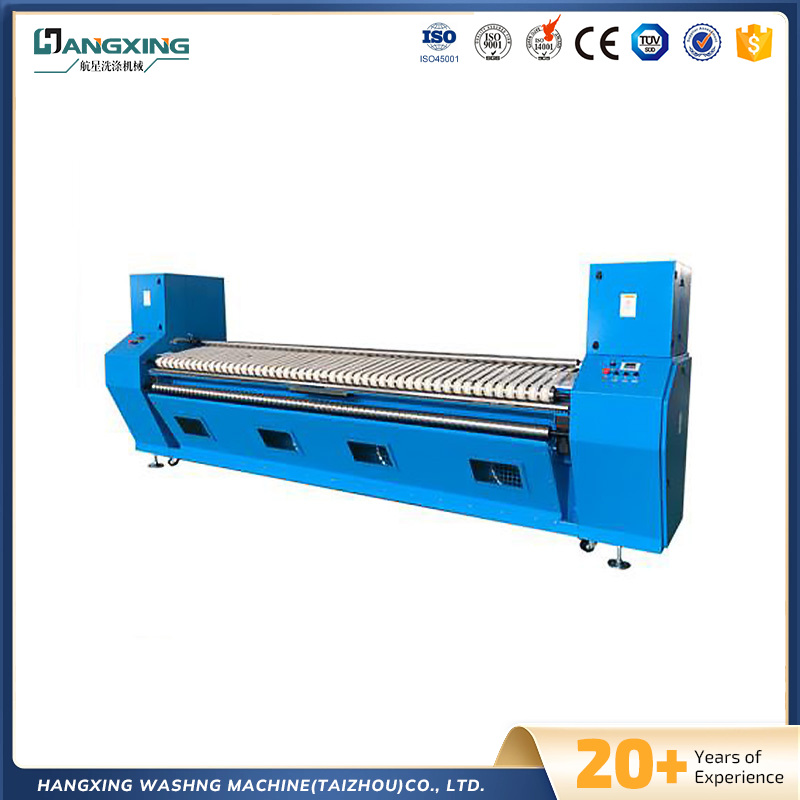
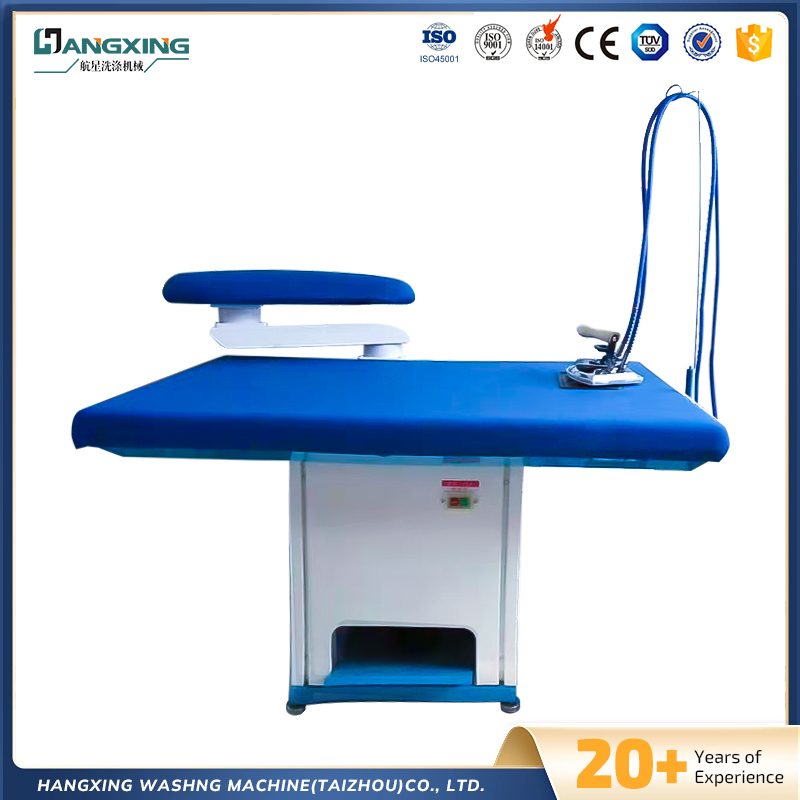
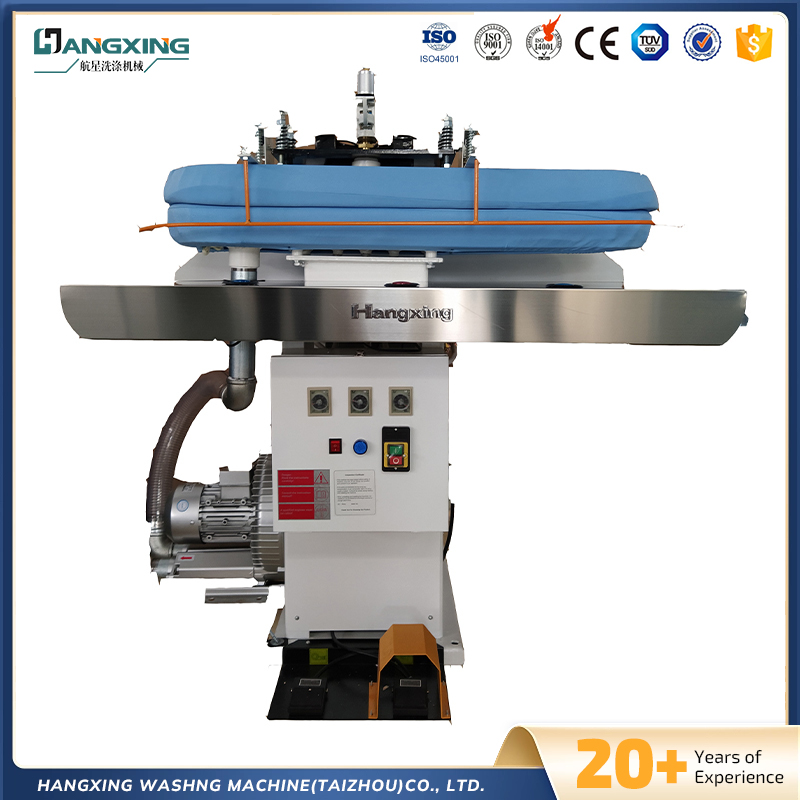
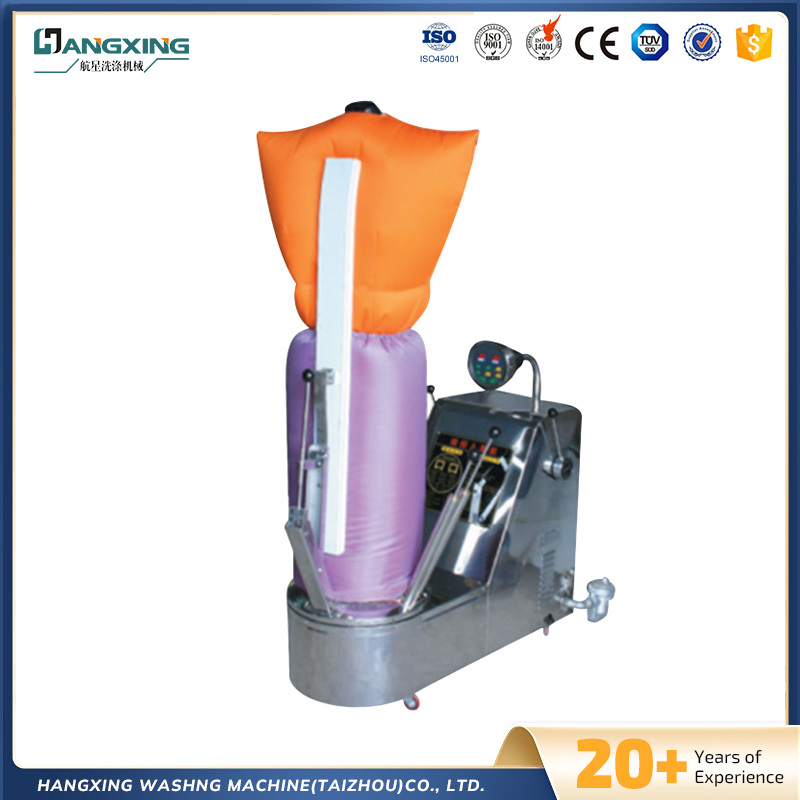
Automatic ironing machines are designed to handle large volumes of garments with speed and precision. These machines use advanced technology to apply steam, heat, and pressure to garments, removing wrinkles and shaping them for final inspection. They can handle a variety of fabrics and garment types, including shirts, pants, jackets, and dresses, all while ensuring high-quality results.
The primary functions of an automatic ironing machine include:
In modern garment production, the demand for speed and volume is higher than ever. Consumers expect fast fashion that is affordable, trendy, and of high quality. This pressure on manufacturers has led to the widespread adoption of automated solutions, including automatic ironing machines, to increase production rates without compromising quality.
Automatic ironing machines are designed to handle large volumes of garments, which is essential in high-demand manufacturing environments. Whether it’s a fast-fashion brand or a large-scale industrial manufacturer, these machines can process hundreds or even thousands of garments per day. The ability to process garments in bulk without sacrificing quality or speed is a key factor in meeting the demands of modern garment production.
In a typical garment factory, multiple automatic ironing machines can be used in tandem to manage the workflow. This significantly reduces the need for manual labor, enabling the factory to produce garments at a faster rate while reducing human error and inconsistencies.
One of the challenges in manual ironing is the inconsistency in the results. Different workers have varying levels of skill, and the ironing process can be affected by fatigue or distractions, leading to uneven results. Automatic ironing machines, on the other hand, provide a consistent finish across all garments. This consistency is especially important for brands that need to maintain a uniform look and feel across large batches of garments.
Automatic machines ensure that every garment receives the same treatment in terms of steam application, heat levels, and pressure, which improves the overall quality of the products. The precision offered by these machines is especially beneficial for creating sharp creases, smooth collars, and other fine details that require exacting standards.
Automatic ironing machines can significantly speed up the ironing process. While manual ironing may take several minutes per garment, automated systems can complete the same task in a fraction of the time. This efficiency is critical in today’s fast-paced production environments, where time is a valuable resource, and production schedules are tight.
The reduction in time spent on ironing also translates to cost savings. Faster production cycles mean lower labor costs, which helps manufacturers maintain profitability, especially in the highly competitive fashion industry.
While automatic ironing machines are faster and more efficient, they also contribute to energy efficiency and resource conservation in garment production. In the past, traditional ironing systems often consumed a significant amount of energy and water, especially when steam was applied at high volumes. With the rise of automated technology, manufacturers are now able to optimize the use of these resources.
Modern automatic ironing machines are designed to be energy-efficient, using advanced heating systems that require less energy to operate. By using precisely controlled steam and heat, these machines ensure that garments are ironed quickly and efficiently, with minimal waste of energy.
In addition, some machines are designed with features such as auto-shutoff systems and energy-saving modes to reduce energy consumption during idle periods or low-demand times. This not only helps factories reduce their energy bills but also contributes to more sustainable manufacturing practices.
Steam is an integral part of the ironing process, and traditional steam irons require a constant supply of water. However, modern automatic ironing machines are designed to be more water-efficient, using minimal water without compromising on performance. Some machines feature water recirculation systems that reduce the need for fresh water, helping factories conserve resources and reduce waste.
Automatic Ironing Machine Factory are constantly innovating to meet the evolving needs of the garment industry. Technological advancements are making these machines smarter, more efficient, and easier to operate. Some of the latest innovations in automatic ironing machines include:
Many modern automatic ironing machines come with smart features such as digital control panels, automatic temperature regulation, and pre-programmed settings for different garment types. These features make it easier for operators to achieve the desired results with minimal input, further increasing efficiency and consistency.
Additionally, some machines are equipped with sensors that can detect fabric type, moisture levels, and even the thickness of the material. This allows the machine to adjust its settings automatically to ensure optimal performance for each garment.
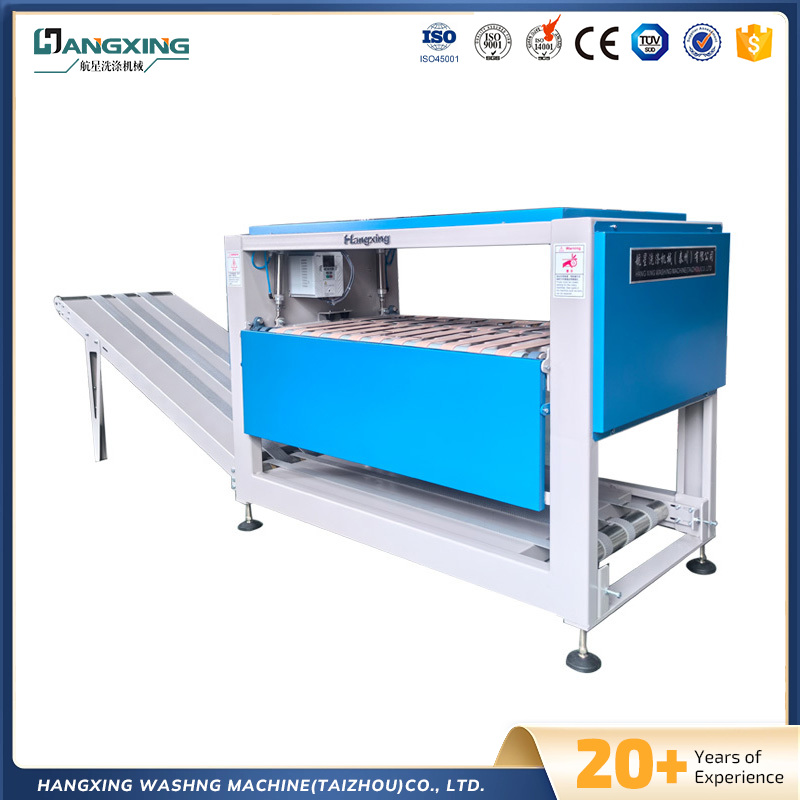
In large-scale garment factories, automatic ironing machines are often integrated with other systems, such as automated conveyors, sorting systems, and packaging lines. This integration helps streamline the entire production process, reducing the need for manual handling and ensuring that garments move seamlessly from one stage to the next.
Automated systems can also communicate with inventory and production scheduling software, allowing factories to optimize their workflow and ensure that resources are used efficiently.
Sustainability is a growing concern in the textile industry, and automatic ironing machine manufacturers are responding by designing machines with eco-friendly features. Many of the latest models use recyclable materials, low-energy technologies, and water-saving systems to reduce their environmental footprint.
Additionally, some factories are implementing closed-loop systems, where water and steam are recycled and reused, significantly reducing waste and water consumption.
The future of Automatic Ironing Machine Factory is tied to continued innovation and adaptation to industry needs. As the garment industry continues to evolve, there will be an increasing demand for machines that can handle a variety of fabrics, provide customizable finishes, and operate with greater energy efficiency.
In the coming years, we can expect to see even more advancements in automation, with AI integration, machine learning, and robotics playing a larger role in ironing systems. These technologies will allow automatic ironing machines to become even more precise, faster, and adaptable to different types of garment production.
The demand for sustainable production will also continue to shape the development of automatic ironing machines, with a focus on reducing waste, conserving resources, and minimizing energy consumption. This trend is expected to drive innovation in both machine design and factory operations.
Copyright © Hangxing Washing Machinery (Taizhou) Co., Ltd. All Rights Reserved.
 Custom Automatic Industrial Washing Machine Manufacturers

 English
 русский
 Español
 عربى
عربى